
Live online · Tuesday, December 8 · 1:00 PM ET

What does AI-native SDLC look like in 2027?

Build went from weeks to hours and the process did not move. By 2027 the organisations shipping software will run a supervised loop instead, and the only open question is who operates it. 60 minutes on what the lifecycle becomes, specific enough to plan 2027 against.

  • Where the bottleneck moves when build takes hours, and what that does to the controls you inherited
  • The twelve plays and the governance layer, as Anthropic's playbook describes them
  • Ten questions you can put to any vendor, outsourcer or internal plan, including ours
CloudGeometry

Free, 60 minutes including live Q&A. Every registrant gets the recording and the ten-question checklist. Built for CTOs, VPs of Engineering and Heads of Platform at companies of 50 to 500 people.

Registration

Register for 8 December

Tuesday, December 8 · 1:00 PM ET / 10:00 AM PT / 6:00 PM UK

Live online session: the 2027 condition, what the loop contains and what it takes to run, a ten-minute walkthrough of the artifact chain for one real change, and moderated Q&A. Registrants get the recording and the ten-question checklist.

📅 Dec 8 · 1 PM ET ⏱ 60 min incl. Q&A 📄 Checklist included
Register for 8 December

Registration and the live stream are hosted on BrightTALK.

We will only use your details to send you the recording, the checklist and related session materials.

The Premise

For thirty years the expensive part of software was writing it. That part went from weeks to hours. The process did not move.

Every control a technical leader inherited exists to protect weeks of engineering time. Anthropic's AI-native SDLC playbook puts the consequence plainly: build is no longer the constraint, the human-speed steps around it are. Plan, review, test and deploy keep their length while build collapses. The bottleneck moves. Controls stop matching reality once agents write most of the diff. Governance cost rises, because exceptions still route through weekly meetings.

The process you inherited

  • Work moves as tickets, and status lives in meetings
  • Governance is a policy document and a weekly exceptions call
  • Review scales by adding reviewers
  • The agent is trusted because the demo looked good

The loop the playbook describes

  • Work moves as committed files: intent, spec, plan, merged PR
  • Governance is configuration: hooks as gates, managed settings, branch protection
  • Tests and evals carry the load; human review is reserved for critical code
  • The agent runs on a system model one engineer wrote by hand and keeps under a page
What You'll Learn

Ten things you'll walk away with, each with a question attached.

01

Build is no longer the constraint

The human-speed stages around it are. Ask: what does this tool, vendor or outsourcer do to review, test and deploy throughput? Code generation speed is now the cheapest thing on the table.

02

The unit of work is a committed artifact, not a ticket

intent.md, spec.md, plan.md, merged PR. Ask: show me that chain for one real change. If nobody can, what you are buying is assisted coding.

03

Governance moves out of meetings and into enforcement

Hooks as approval gates, managed settings, branch protection, separation of duties. Ask: where do the hooks live, who owns them, and what happens when an engineer turns one off?

04

The agent is only as good as the system model someone wrote by hand

One page, kept current by one engineer who knows the whole codebase. Ask: who is that person in your organisation, or your outsourcer's? This is the question that decides whether the loop can run at all.

05

The prerequisite list is a platform engineer's full-time job

Policy skills with owners, hooks plus managed settings, evals in CI with a budget, a sandbox profile, a rehearsed rollback. Ask: who owns this list, and at what operating cost? Budget the loop, not the licence.

06

The ceiling is review capacity, not seat count

Add sessions only while review keeps up. Ask: what is our reviewers' throughput today? Measure it before you scale agent seats, because more seats make the constraint worse.

07

Everything in the loop is measurable from git and PR history

Every play has a leading and a lagging indicator you already hold. Ask: which of them will you report? Write them into any pilot, statement of work or outsourcing renewal as the acceptance evidence.

08

Tests and evals become the control. Line-by-line review stops scaling

A production incident becomes a permanent eval. Ask: how long does that take, and were the tests seen to fail before the code existed? Generated tests of generated code are not evidence.

09

The model vendor is absorbing pieces of the loop

Scanning, review and triage are becoming hosted services. Ask: which pieces will the vendor ship next quarter, and whose keys are these? Buy, or staff, the operating model around them.

10

Pricing moves from seats and hours to the change

The spec is a committed contract before any code exists. Ask: will you price per approved change against the signed specification, and who carries the rework if it misses?

Every one of the ten is a fact you can check against Anthropic's own text. The session teaches the facts. The questions are what you carry into your next vendor meeting, outsourcing renewal or budget conversation.

The Format

Sixty minutes, in four moves, then your questions.

01 · The conditionTalk · 12 min

The 2027 condition

Build is no longer the constraint. The six-stage shift, the three consequences, and the artifact chain that replaces the ticket. Why a buyer will be able to audit all of it from git by 2027.

six-stage shiftartifact chainauditable from git
02 · The loopTalk · 16 min

What the loop contains, and what it takes to run it

The twelve plays by stage and the governance layer. Then the honest part: the prerequisite list, the system model written by hand, and the review ceiling. The ten questions land here.

twelve playshooks as gatesthe prerequisite list
03 · The changeDemo · 10 min

The artifact chain for one real change

Intent to merged code, with the gate record, on a real-shaped system. The evidence the previous act told you to ask for.

intent → spec → plan → PRgate record
04 · The operatorTalk · 10 min

Who operates it

Two routes in: run the playbook yourself on greenfield with a named platform engineer, or have the loop run for you on the estate you already have. The ten questions, answered once for CloudGeometry.

two routes in
05 · The questionsLive Q&A · 12 min

Moderated Q&A

Bring the one of the ten you could not answer for your own organisation.

60 minutes including Q&A, live. Forward it to whoever is writing your 2027 engineering plan. Cannot make it? Register anyway; every registrant gets the recording.

The Takeaway

Leave with a checklist, not just a talk.

Every registrant gets "Ten questions for anyone selling you an AI-native SDLC": each one a fact you can check against Anthropic's own playbook, paired with the question it puts on a buying decision. Run it on your next vendor meeting, your outsourcing renewal or your own 2027 plan. It works on us too.

Included with registration

Ten questions for anyone selling you an AI-native SDLC

  1. Throughput: what does it do to review, test and deploy?
  2. Artifacts: show me the chain for one real change.
  3. Gates: where do the hooks live, and who can switch them off?
  4. The model: who knows the whole system well enough to write it?
  5. The list: who owns the prerequisites, and at what cost?
  6. Review: how many streams can one reviewer hold?
  7. Measurement: which indicators will you report, from git?
  8. Evals: how does an incident become one, and did the tests fail first?
  9. The vendor: which pieces get absorbed, and whose keys are these?
  10. Price: per approved change, and who carries the rework?
Your Hosts

Led by the people building the answer.

Nick Chase, AI/ML Practice Director at CloudGeometry
Nick Chase AI/ML Practice Director, CloudGeometry

AI/ML Practice Director

Nick Chase

Nick leads CloudGeometry's AI/ML practice and takes the talk. He spends his days on the question this session asks: what the software lifecycle becomes once agents write most of the diff, and who operates the loop that governs it.
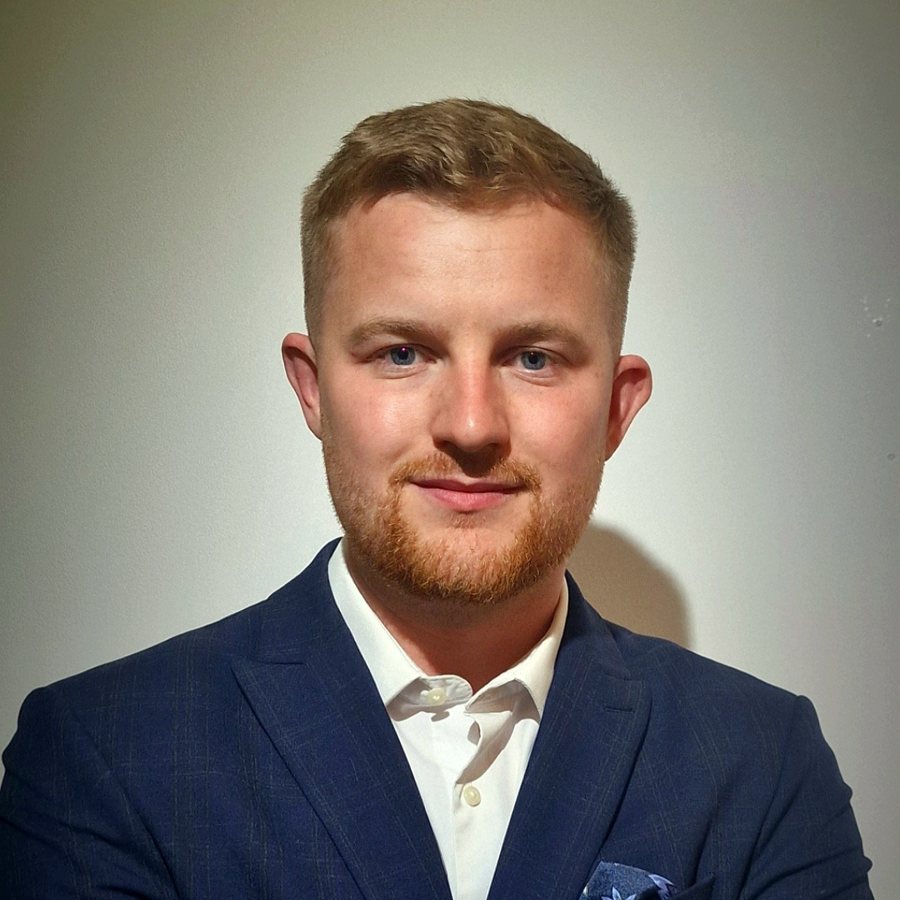
Carter Holmes, AI Systems Lead at CloudGeometry
Carter Holmes AI Systems Lead, CloudGeometry

AI Systems Lead

Carter Holmes

Carter leads AI systems at CloudGeometry and takes the demo: the artifact chain and the gate record for one real change, from intent to merged code, on a real-shaped system.

Tuesday, December 8 · 1:00 PM ET. 60 minutes including live Q&A. Register and the recording and the checklist come to you.
Who It's For

Built for the people writing 2027 engineering plans.

01
Engineering Leadership

CTOs, VPs of Engineering, Directors of Engineering

Your code is written by an outsourcer or a remote team. You bought AI coding seats, the board is asking where the productivity went, and the review queue is longer than last year.

You leave with

A picture of the 2027 operating model specific enough to plan and budget against, and ten questions for your next outsourcing renewal.

02
Platform Leadership

Heads of Platform, platform and developer-experience engineers

The playbook's prerequisite list lands on your desk: hooks, managed settings, evals in CI, sandbox profiles, a rollback path. Nobody has costed it.

You leave with

The full list in one place, and a way to decide which parts you own and which you buy.

03
IT Service Companies

Firms whose clients are about to ask these ten questions of you

By 2027 a buyer can check whether a provider runs the loop by reading git and PR history.

You leave with

The audit your clients will run on you, and what a provider has to show to pass it.

The Bottom Line
The question for 2027 is not which tool. It is who operates the loop.

The playbook specifies the controls and leaves you to build, staff and maintain them. Two routes in. Run the twelve plays yourself on greenfield, with a named platform engineer owning the prerequisite list. Or have the loop run for you on the estate you already have: human-decided gates before any code is written, witnessed test-first records, a fixed price at specification sign-off, and your own model keys.

Register for the 2027 session

Looking for a coding-tool comparison, or a demo of an agent writing code on its own? This is not that session. It is about what the lifecycle becomes, and who runs it.

CloudGeometry

About CloudGeometry. CloudGeometry is a strategic engineering partner. AI-MSL, its integrated platform and managed service, maintains, modernises and extends production software under supervised AI execution: human sign-off at every lifecycle gate, full traceability of every change, and all code and assets remaining under client ownership and control.

What does AI-native SDLC look like in 2027? · live online · Dec 8, 1pm ET

Register free